
When App Costs Eat Into the Sales They Support
Sales through the app were falling, yet the server bills kept arriving and checking orders still took manual work every day.
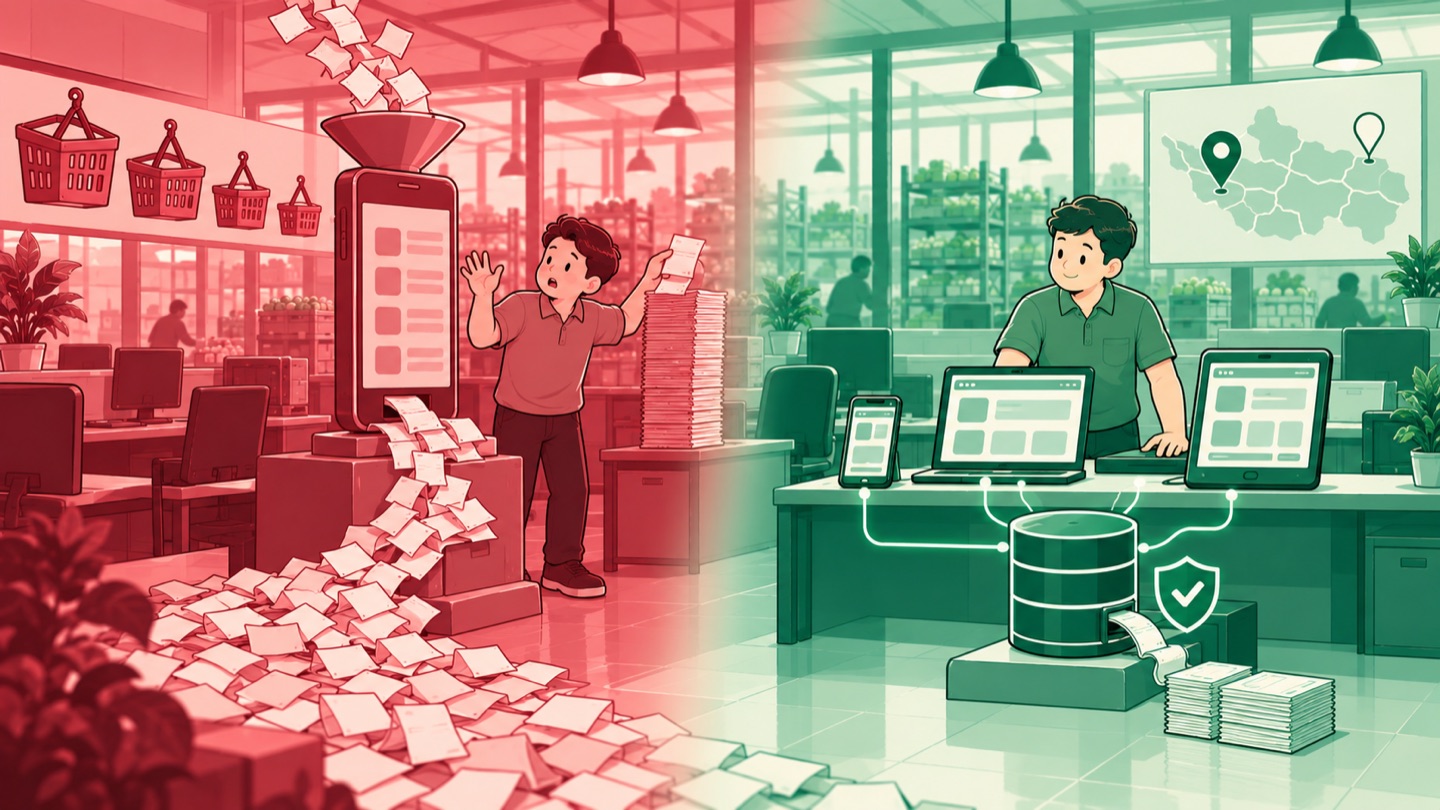
Conceptual illustration. The case is real; company details are disguised.
In the direct-to-consumer channel of a fresh food distribution business, a mobile app was built while online shopping was high. The app met a need of its time: customers browsed products, placed orders, and paid from their phones. After the pandemic, customers went back to shopping in person. Sales through the app declined while server costs kept running, and at one point even rose. The cost of running that sales channel therefore absorbed part of its revenue every month, at a time when customer demand had already shifted.
The conditions for development had changed as well. The old app's technology kept falling behind what development required, and adding features called for mobile specialists. The technology could not be continued without that specialist skill. Keeping the app as it was meant keeping the need for that skill, while customers' basic needs stayed the same: choosing products, ordering, and completing payment.
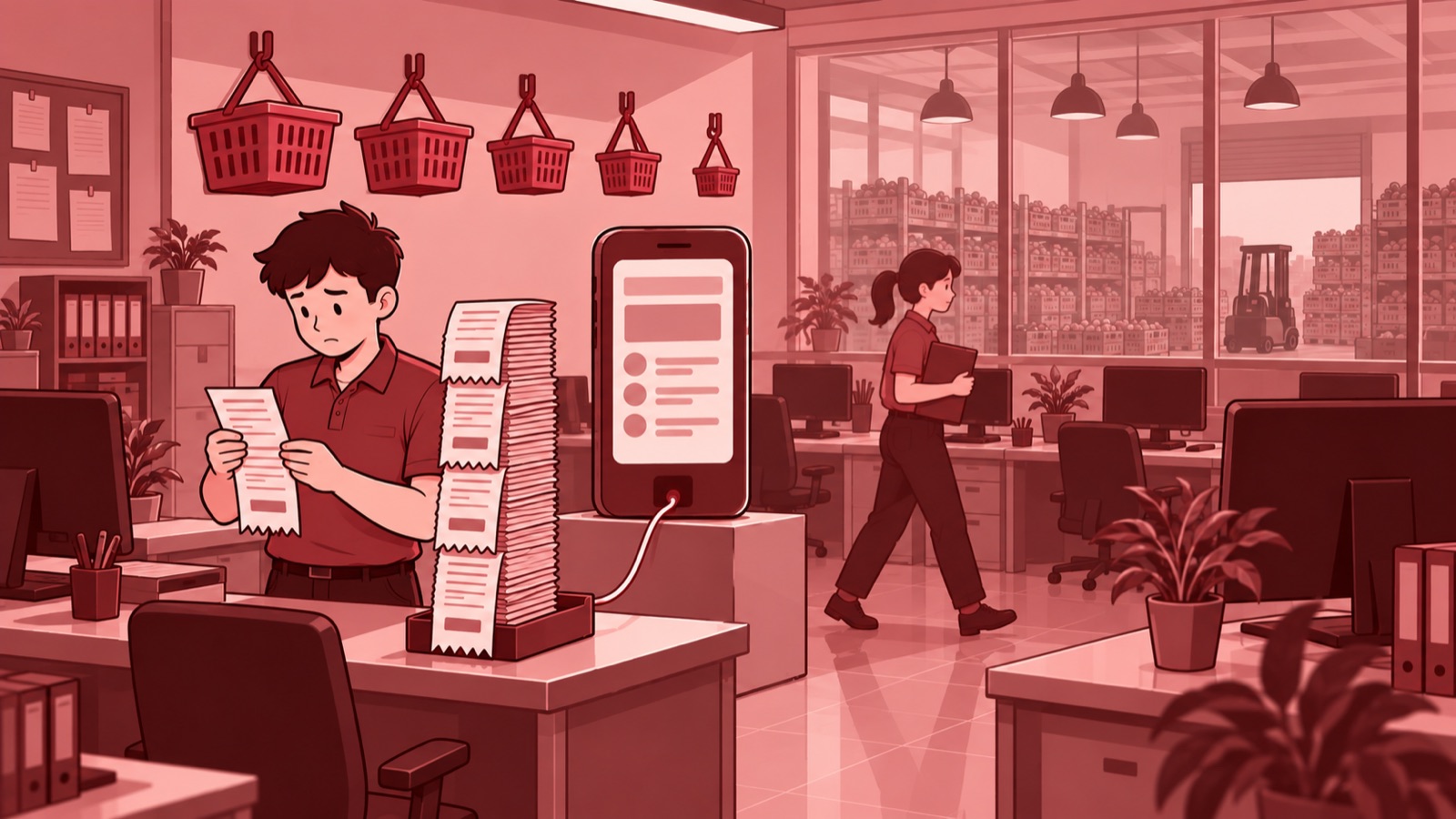
Behind the scenes, the app's data was stored on a server separate from the sales system. At the daily close, synchronization had to be confirmed so that orders were available to operations. Paid orders were also checked and moved by hand. So the sales channel carried repetitive work after customers had finished transacting, on top of the cost of keeping the app running.
As head of the IT Division, I chose to replace the mobile app with a web application because its development fit the skills the internal team already had. The development team built the application and its connection to the sales system, while the infrastructure team handled retiring the load on the old app's server. This choice changed the shape of the sales channel and removed the step that had kept customer orders apart from operational work.
The biggest risk I weighed was that existing customers, used to the app, would stop ordering once the sales channel changed. I weighed that risk against the server cost and the development constraints of the old app. The decision stayed: replace it, with a campaign and notices to customers about the replacement channel as the safeguard. The technical change ran together with an explanation of where customers could continue ordering.
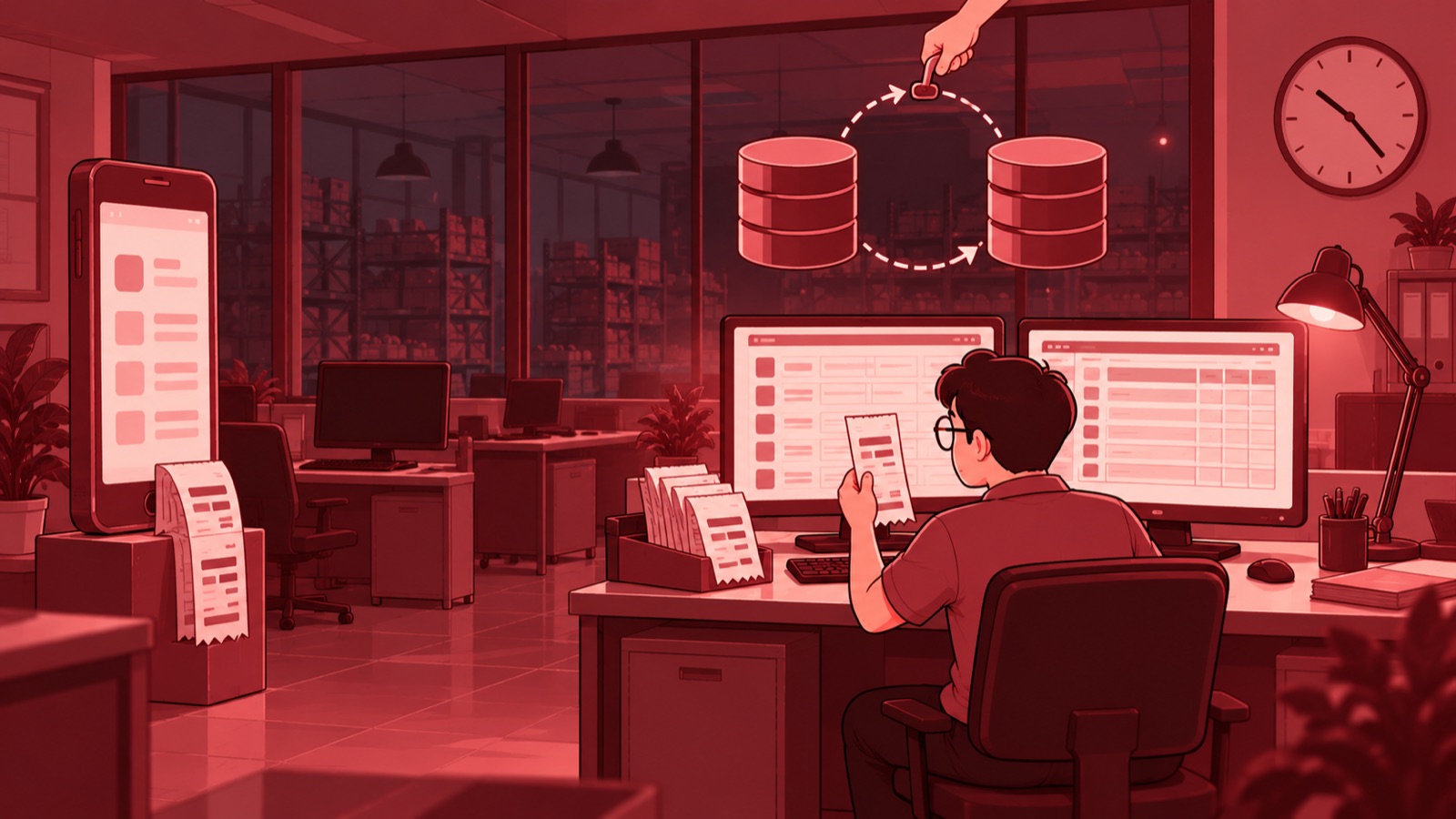
The web application adapts its display to phones and computers alike. Customers open the same sales channel in a browser, without installing a separate app for their device. The flow of choosing products, adding them to the cart, and paying remains part of ordering. The internal team continues maintenance and development on the web application, which is now where customers shop.
Orders from the web application are recorded directly in the database the sales system uses. In daily work, admins no longer have to confirm data transfer from the old app's server before closing sales. Customer orders are already in the place used for the next process. The server-to-server synchronization step, which used to need attention at every close, has left the workflow.
Payment connects to the payment processing service that was already in use. Payment status arrives automatically, along with order and payment notifications. Checking paid orders and moving them by hand from the old app were removed. Admins still check that sales are complete at the daily close and follow up on transaction issues, now with orders and payment status already recorded in the same system.
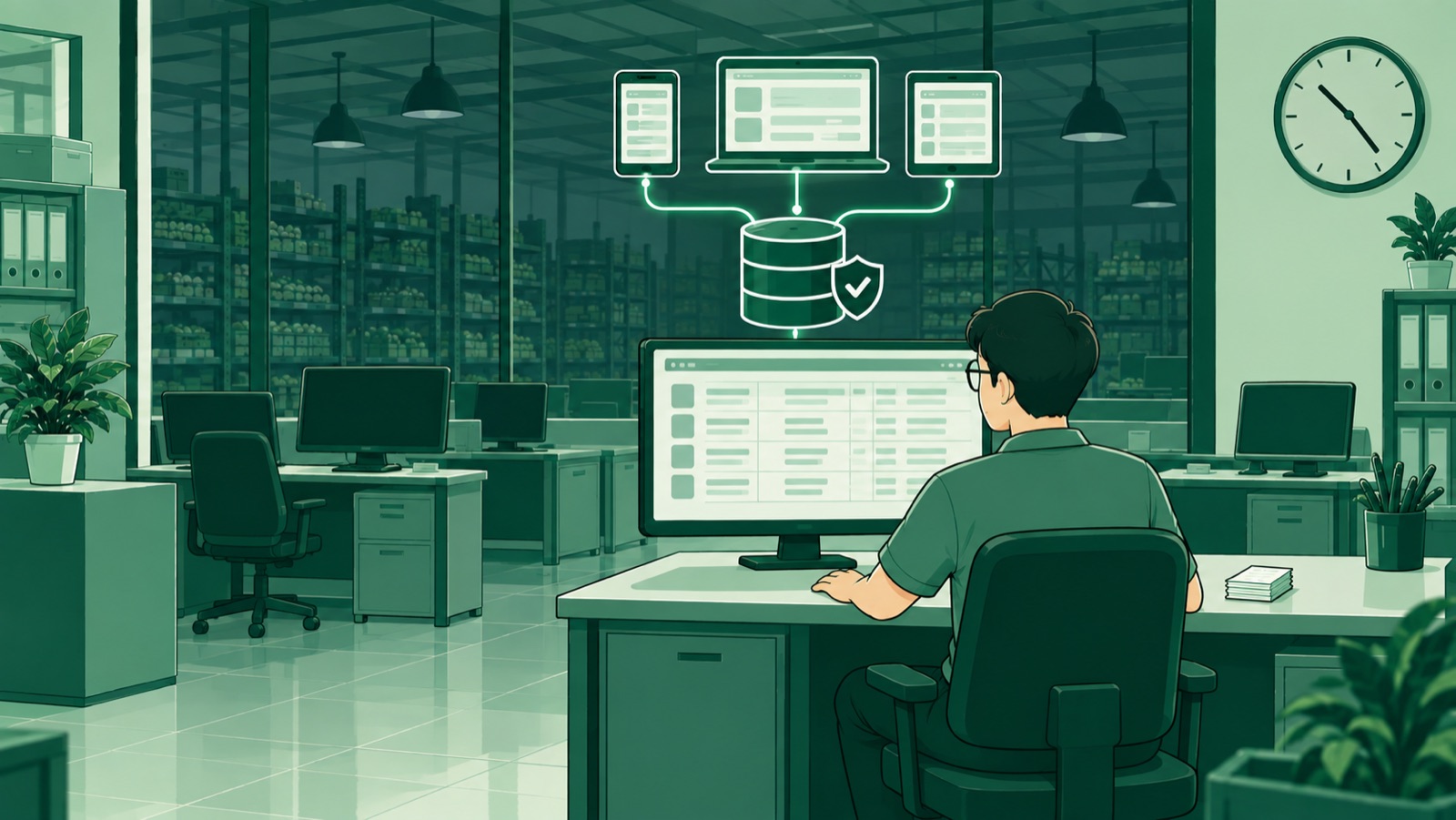
The sales channel's server cost fell 76%, comparing the August 2024 bill with the average of the August to October 2025 bills. Retiring the old app's load shows in the lower bills. On the operations side, the daily completeness check continues, while moving paid orders and server-to-server synchronization are no longer steps admins have to carry out.
This change gives the IT team a development environment that fits the skills available. The sales channel still needs application maintenance, server monitoring, and handling of payment issues. That work now follows a web application with sales data in one place. The link between the shape of the application, the team's ability to maintain it, and the flow of orders became part of the same decision.
My lesson: the shape of an application needs to follow how the business and the team run it. When an old form carries costs and work that keep repeating, the decision to replace it must weigh customer habits together with the process you want to improve.